 Image 1 of 4
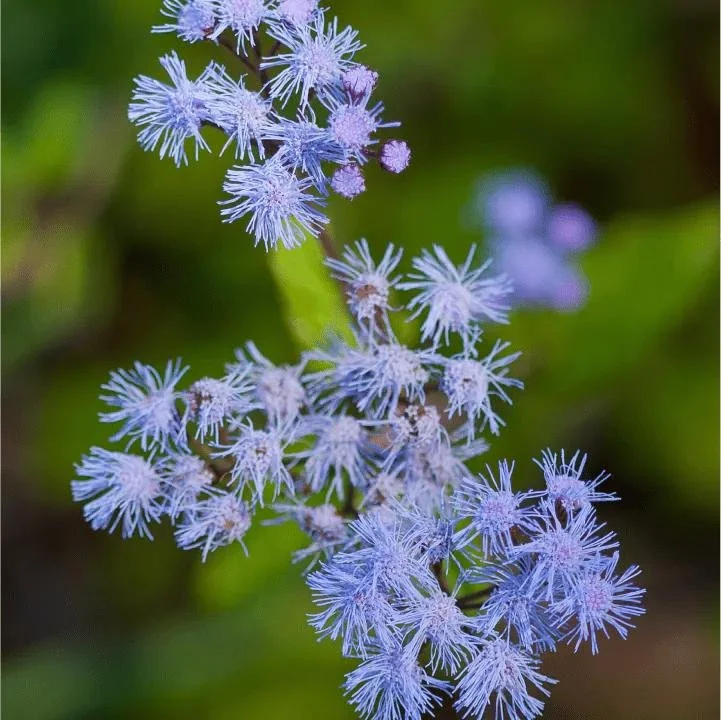 Image 2 of 4
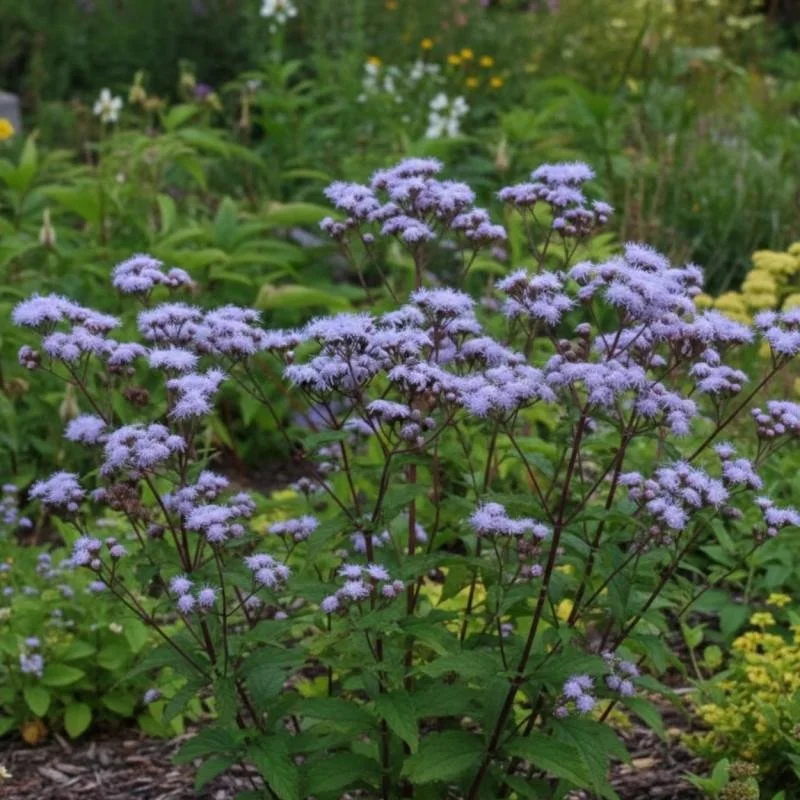 Image 3 of 4
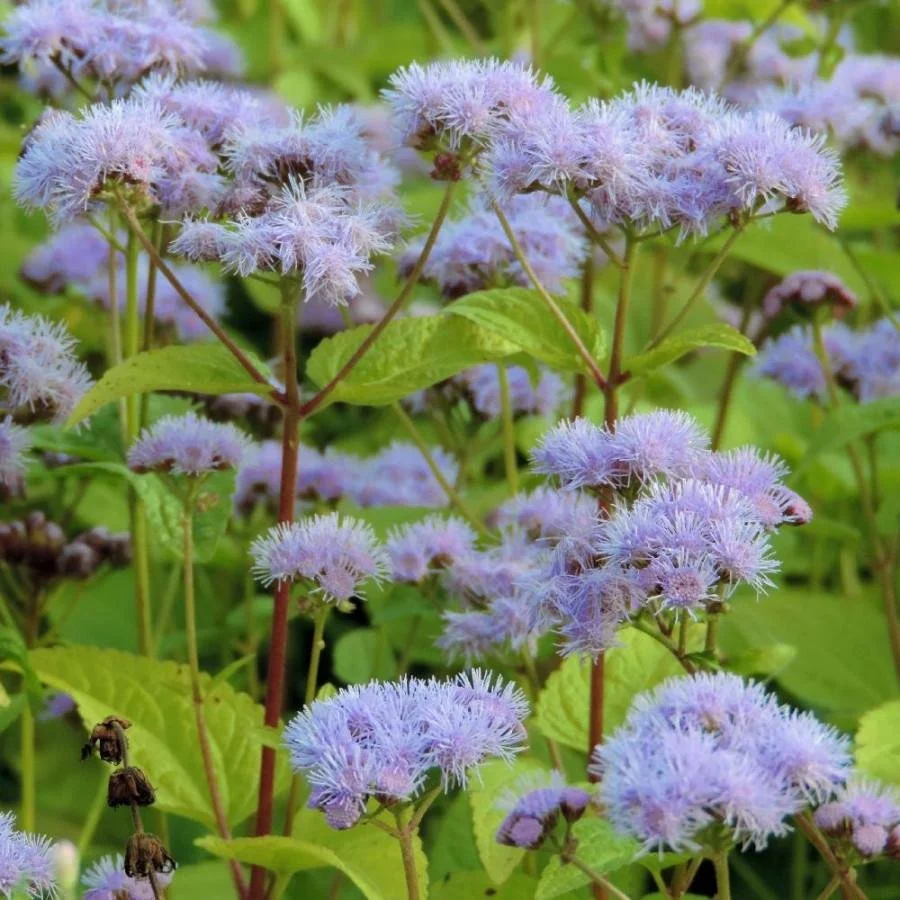 Image 4 of 4
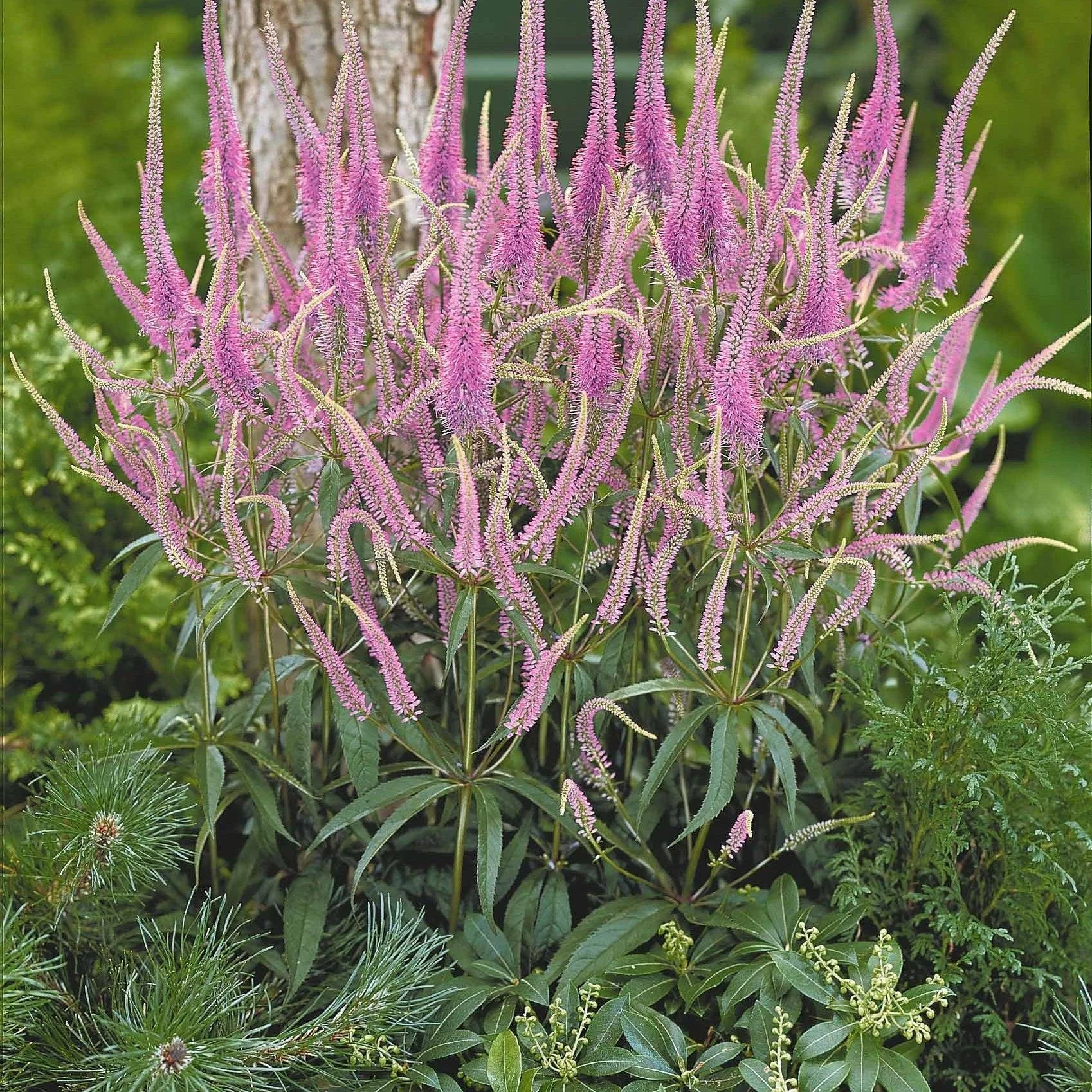
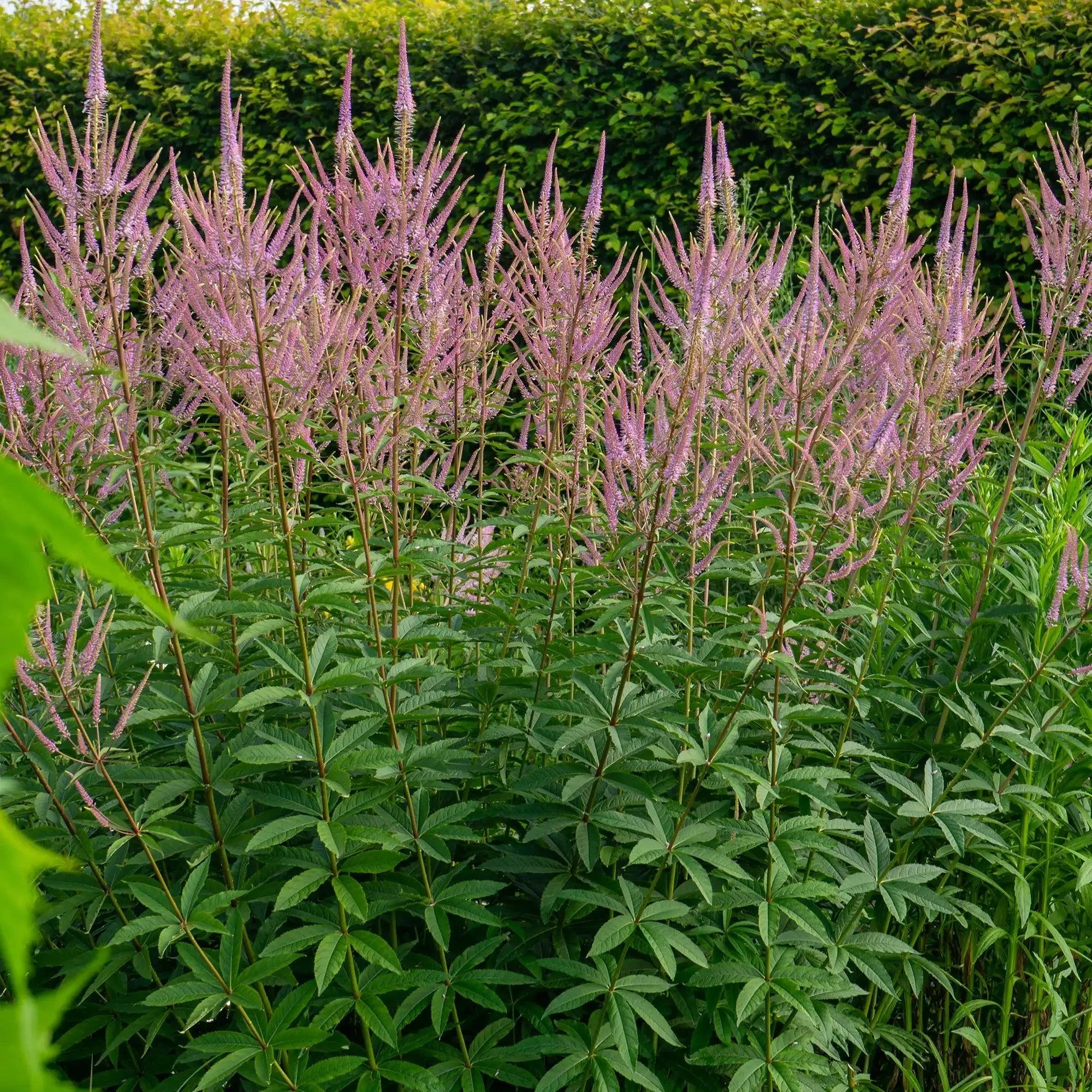
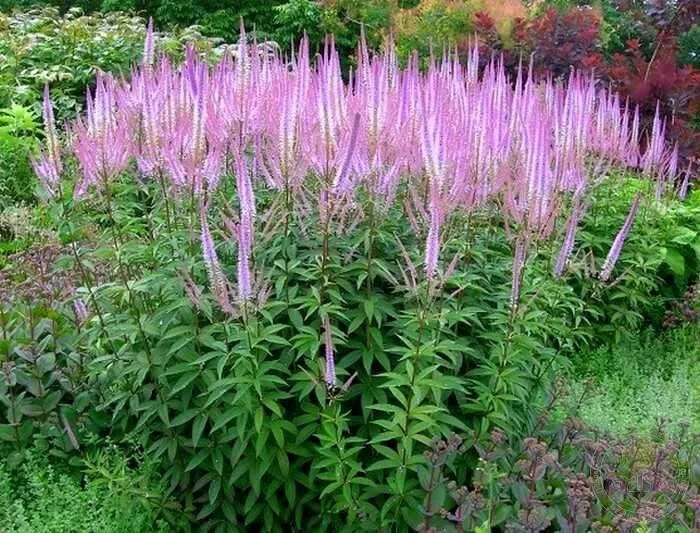
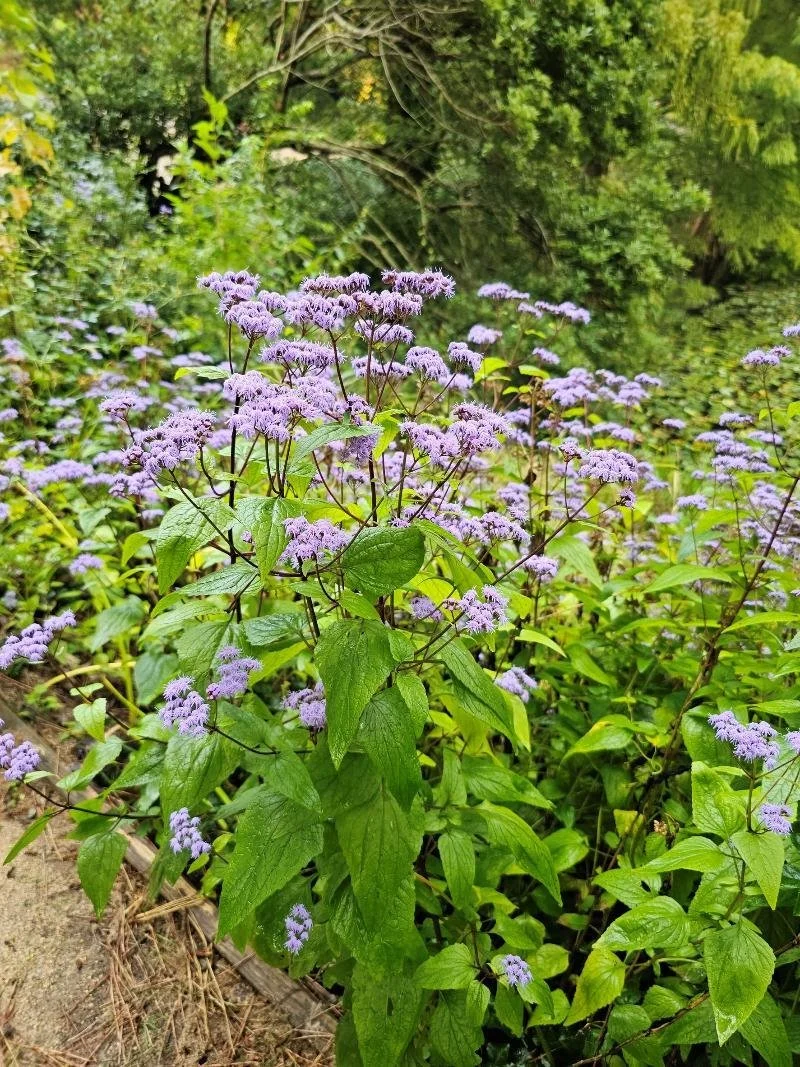
Resembling a lovely blue-purple fog when found in dense stands, the disk flowers form in clusters of 35-70 at the tops of stems in late summer and autumn, attracting late-season butterflies. It will spread so should be planted with caution in small landscape situations. Insects that feed on Eupatorium species (Bonesets) may also use Mistflower as a host plant. Mistflower reaches up to two feet in height with downy, purplish, branching stems in moist or low savanna settings. Its opposing, large-toothed leaves are oval to triangular.
Size: About 2–3 ft tall × 2 ft wide
Bloom time: September–October
Flowers: Powder blue to lavender
Pollinators: Valuable late-season nectar source
Native: Yes
Sun: Sun to part shade\
Resembling a lovely blue-purple fog when found in dense stands, the disk flowers form in clusters of 35-70 at the tops of stems in late summer and autumn, attracting late-season butterflies. It will spread so should be planted with caution in small landscape situations. Insects that feed on Eupatorium species (Bonesets) may also use Mistflower as a host plant. Mistflower reaches up to two feet in height with downy, purplish, branching stems in moist or low savanna settings. Its opposing, large-toothed leaves are oval to triangular.
Size: About 2–3 ft tall × 2 ft wide
Bloom time: September–October
Flowers: Powder blue to lavender
Pollinators: Valuable late-season nectar source
Native: Yes
Sun: Sun to part shade\